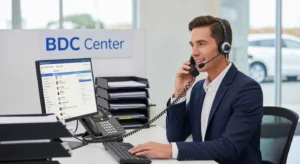
What Is Automotive Phone Training?
Automotive phone training is structured coaching that develops the phone communication skills dealership professionals need to convert inbound calls and outbound contacts into confirmed showroom appointments. It covers everything from call opening and tone control to objection handling, appointment-setting language, and follow-up cadence — and it’s one of the highest-leverage investments a dealership can make.
The phone is still the highest-converting channel in automotive retail. Studies consistently show that inbound phone leads close at a significantly higher rate than internet leads — yet most dealerships invest far more in generating digital leads than in training their team to handle calls professionally. Automotive phone training closes that gap.
Why Phone Skills Deteriorate Without Training
Left unaddressed, dealership phone performance degrades in predictable ways. New hires pick up habits from whoever trains them — good and bad. Experienced reps develop shortcuts that feel efficient but cost appointments. Managers who were never trained on phone skills can’t effectively coach their teams on something they never learned systematically.
The result is a floor full of people answering phones in completely different ways, with no consistent process, no reliable measurement, and no clear accountability for outcomes. Mystery shopping studies routinely find that fewer than half of dealership phone calls end with an appointment attempt — and far fewer end with a booked appointment.
Automotive phone training doesn’t just teach skills. It standardizes the process across the entire team so that every call — regardless of who answers — moves toward the same goal: a confirmed showroom appointment.
What Automotive Phone Training Covers
Call Structure and Opening Frameworks
The first 15 seconds of a call determine whether the customer stays engaged or mentally checks out. Automotive phone training establishes a consistent opening that sounds professional, not scripted — building immediate credibility and setting the tone for a productive conversation. This includes name exchange, dealership branding, and a smooth transition to discovery.
Voice Tone and Presence
Without body language or facial expressions, voice carries the entire emotional weight of the call. Automotive phone training develops tone awareness — how to project confidence without sounding pushy, warmth without sounding desperate, and enthusiasm without sounding fake. Reps practice adjusting pace and energy to match the customer’s emotional state.
Needs Discovery by Phone
The best phone calls aren’t pitches — they’re conversations. Automotive phone training builds genuine discovery skills: asking the right questions to understand what the customer is looking for, why they’re in the market now, and what would make them feel confident about coming in. This information makes the appointment more likely to stick and gives the salesperson a head start when the customer arrives.
Handling Price Questions and Objections
“What’s your best price?” is the most common phone objection in automotive — and one of the most mishandled. Automotive phone training gives reps confident, honest responses that acknowledge the question without derailing the appointment goal. Other common objections covered include “I’m just shopping around,” “I need to talk to my spouse,” and “I found it cheaper somewhere else.”
Appointment Setting and Commitment Language
There’s a significant difference between “Do you want to come in sometime?” and a committed appointment. Automotive phone training develops specific appointment-setting language that creates real commitment — a specific day, a specific time, and a reason to show up. This single skill improvement, applied consistently, can lift appointment show rates by 20–30%.
Outbound Call Skills and Follow-Up Execution
Inbound calls are just one piece of the phone opportunity. Automotive phone training also covers outbound follow-up — how to open a call with a prospect who didn’t ask to be contacted, how to deliver a voicemail that actually gets returned, and how to execute a multi-touch follow-up sequence without coming across as pushy or repetitive.
The ROI of Automotive Phone Training
The math on automotive phone training is straightforward. Consider a dealership that receives 300 inbound calls per month. If the current appointment set rate is 25% — a typical figure for untrained teams — that’s 75 appointments from 300 calls.
If phone training improves the appointment set rate to 40% — a realistic outcome for well-trained teams — that’s 120 appointments from the same 300 calls. At an average show rate of 60% and a close rate of 50%, the difference is roughly 13–14 additional sales per month from the same lead volume — without spending another dollar on advertising.
This is why automotive phone training consistently delivers among the highest ROI of any investment a dealership can make. The leads are already coming in. Training determines how many of them turn into appointments — and how many of those appointments become sales.
Online vs. In-Person Automotive Phone Training
Both formats work, and the best programs combine them. Online automotive phone training offers flexibility — reps can complete modules during downtime, review specific skills on demand, and managers can track progress without pulling people off the phones. In-person training delivers the live role-playing and immediate coaching feedback that accelerates skill development faster than online learning alone.
For most dealerships, a blended approach works best: online training for foundational knowledge and ongoing reinforcement, in-person sessions for skill practice and system implementation.
Frequently Asked Questions About Automotive Phone Training
How long does automotive phone training take?
Initial training typically runs 1–2 days for in-person programs, with 30–90 days of follow-up coaching for full skill integration. Online programs can be structured as self-paced modules completed over several weeks. Ongoing phone training — monthly refreshers and call coaching sessions — is what separates dealerships that sustain improvement from those that regress.
Who should receive automotive phone training?
Anyone who answers or makes calls at the dealership — BDC reps, internet salespeople, floor salespeople, and service advisors. Managers should participate too, so they can coach effectively using the same frameworks their team learned.
How do you measure the results of automotive phone training?
Key metrics include inbound appointment set rate, outbound contact rate, appointment show rate, and follow-up completion rate. Call recording review — where managers or trainers listen to actual calls and provide specific feedback — is one of the most effective measurement and coaching tools available.
How is automotive phone training different from BDC training?
Automotive phone training focuses on phone communication skills broadly — it applies to anyone who handles calls. BDC training is more comprehensive and role-specific, covering the full scope of BDC responsibilities including internet lead handling, CRM management, follow-up sequence execution, and team accountability structures. Phone skills are a core component of BDC training, but BDC training covers much more.