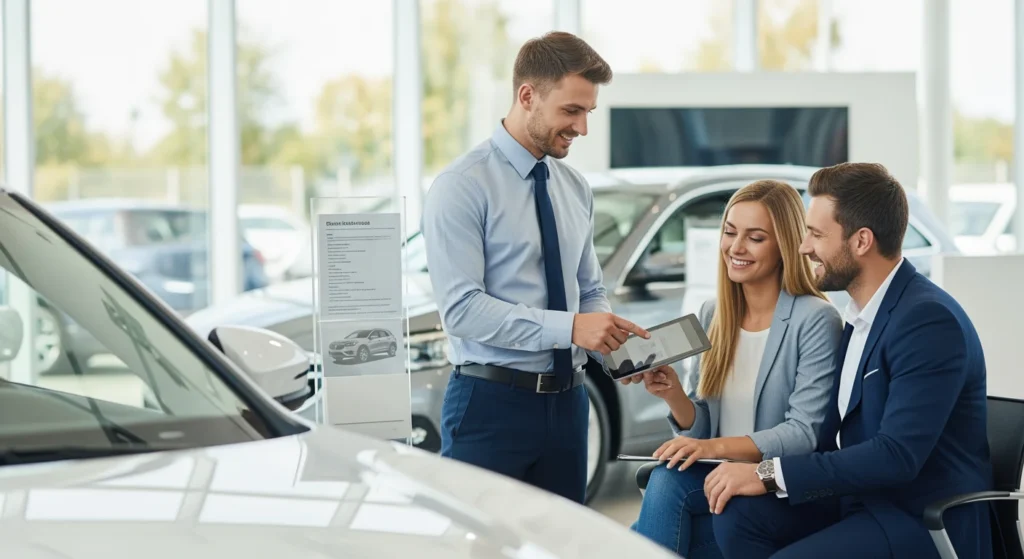
What Is Automobile Sales Training?
Automobile sales training is the structured development of skills, systems, and processes that enable car dealership professionals to convert more leads, deliver better customer experiences, and generate sustainable revenue. It spans everything from first-contact phone skills to showroom closing techniques to long-term follow-up strategy — and when done right, it turns inconsistent individual performance into predictable team results.
Why Automobile Sales Training Is Different From General Sales Training
The car-buying journey is unlike almost any other major purchase. Customers spend weeks researching online before ever contacting a dealership. They’re armed with pricing data, comparison tools, and deep skepticism built up from decades of high-pressure sales stereotypes. They may reach out through four different channels — a phone call, an internet lead form, a chat widget, and a walk-in — before they ever sit down to negotiate.
Generic sales training doesn’t account for any of this. Automobile sales training is built specifically for this environment — the multi-channel lead flow, the emotional weight of a major purchase, the F&I handoff, the trade-in conversation, and the follow-up sequences that keep prospects engaged without pushing them away.
The Core Components of Effective Automobile Sales Training
1. Multi-Channel Lead Handling
Modern automobile buyers don’t arrive through one door. Effective training builds consistent, professional responses across every lead source — phone calls, internet leads, walk-ins, and showroom visits — so no opportunity falls through the cracks regardless of how a customer first makes contact.
2. Phone Skills and Appointment Setting
The phone remains the highest-converting channel in automotive retail, yet it’s consistently undertrained. Automobile sales training dedicates serious attention to inbound call handling, appointment-setting psychology, and the follow-up sequences that bring prospects back when they don’t show the first time.
3. The Consultative Selling Process
The era of the hard sell is over. Today’s most effective automobile sales professionals lead with questions, not pitches. Training should build genuine discovery skills — understanding what a customer actually needs, what they’re worried about, and what will make them feel good about their decision long after they drive off the lot.
4. Objection Handling Without Pressure
Price objections, “let me think about it,” trade-in disputes — every automobile salesperson faces these daily. Training provides confident, honest responses that address the real concern behind the objection rather than steamrolling it with high-pressure tactics that damage trust.
5. Systematic Follow-Up
Most deals don’t close on the first visit. Automobile sales training establishes the follow-up systems — timing, channels, messaging, and frequency — that keep prospects engaged through the full decision cycle without making them feel chased.
The Difference Between Training Events and Training Systems
Many dealerships have attended training events. Far fewer have actually implemented training systems. The distinction matters enormously.
A training event delivers information and inspiration over a day or two. A training system delivers repeatable processes that your team executes consistently — whether you’re watching or not, whether the market is up or down, and whether your best salesperson is in the building or out sick.
The most effective automobile sales training programs don’t just teach — they build. You leave with playbooks, scripts, tracking frameworks, and accountability structures that make the training permanent rather than perishable.
Measuring the Impact of Automobile Sales Training
If you can’t measure it, you can’t improve it. Effective automobile sales training establishes clear KPIs from the start, including:
- Lead response time — how quickly the team responds to new internet and phone leads
- Appointment set rate — the percentage of leads converted to scheduled showroom visits
- Appointment show rate — the percentage of set appointments that actually arrive
- Lead-to-sale conversion rate — overall effectiveness of the sales process from first contact to closed deal
- Follow-up completion rate — whether the team is executing their follow-up sequences systematically
These metrics give managers a clear picture of where the process is working and where it’s breaking down — turning coaching from guesswork into precision.
Online Automobile Sales Training: Flexibility Without Sacrificing Depth
Online automobile sales training has matured significantly. Modern platforms deliver video-based instruction, interactive exercises, and manager dashboards that track team progress in real time. Salespeople can complete modules during slow periods without being pulled off the floor, and managers can identify knowledge gaps before they show up in the numbers.
Online training works best as part of a blended approach — combined with live coaching, role-playing practice, and in-person skill-building sessions that online formats can’t fully replicate.
Frequently Asked Questions About Automobile Sales Training
What’s the fastest way to improve automobile sales performance?
Improving phone and lead response processes typically delivers the fastest measurable gains, because most dealerships are losing opportunities at the very top of the funnel before the sales process even begins.
How is automobile sales training delivered?
Delivery formats include on-site workshops, online self-paced courses, virtual live sessions, and hybrid programs that combine all three. The right format depends on team size, budget, and how much disruption the dealership can absorb during implementation.
How do I know if my team needs automobile sales training?
Key indicators include inconsistent performance across the team, high lead volume with low conversion rates, frequent customer complaints about the sales experience, and managers spending most of their time rescuing deals rather than developing talent.
Can automobile sales training help with digital and internet sales?
Yes — in fact, internet lead handling is one of the highest-leverage areas for automobile sales training. Most dealerships respond to internet leads too slowly, too generically, and without a systematic follow-up process. Fixing these issues alone can significantly move the needle on overall sales performance.