The most common failure mode for BDC managers is doing the work instead of developing the people who do the work. It is faster to jump on a call, rewrite a script, or rescue a difficult appointment situation than to coach the rep through it in real time. Over time, this creates a department that depends on the manager for anything above routine difficulty.
The Coaching vs. Doing Distinction
Coaching means creating the conditions under which someone else develops the skill. Doing means solving the immediate problem yourself. Both are sometimes necessary, but the balance matters enormously. A BDC manager who resolves every hard situation personally is inadvertently communicating that their reps are not capable — and over time, the reps stop trying to handle hard situations because they know the manager will take over.
Side-by-Side Coaching Structure
The most effective BDC coaching happens in real time, next to the rep during live calls. This requires a specific structure to be effective. Before the call, set the specific skill focus. After the call, debrief immediately: what went well, what was the one thing to adjust, what would you do differently. Limiting feedback to one coaching point per debrief is critical. Multiple corrections after every call create overwhelm and do not produce learning.
Building a Skill Development Cadence
High-performing BDC departments have a structured weekly development rhythm: a team skills session of 15 to 20 minutes on one specific technique, individual coaching blocks for each rep, a weekly metric review that connects individual performance to specific skill gaps, and a role-play library in AdaptVT for between-session practice. Departments that treat skill development as a periodic event rather than an ongoing operating rhythm are always reacting to performance problems instead of preventing them.
The Performance Accountability System
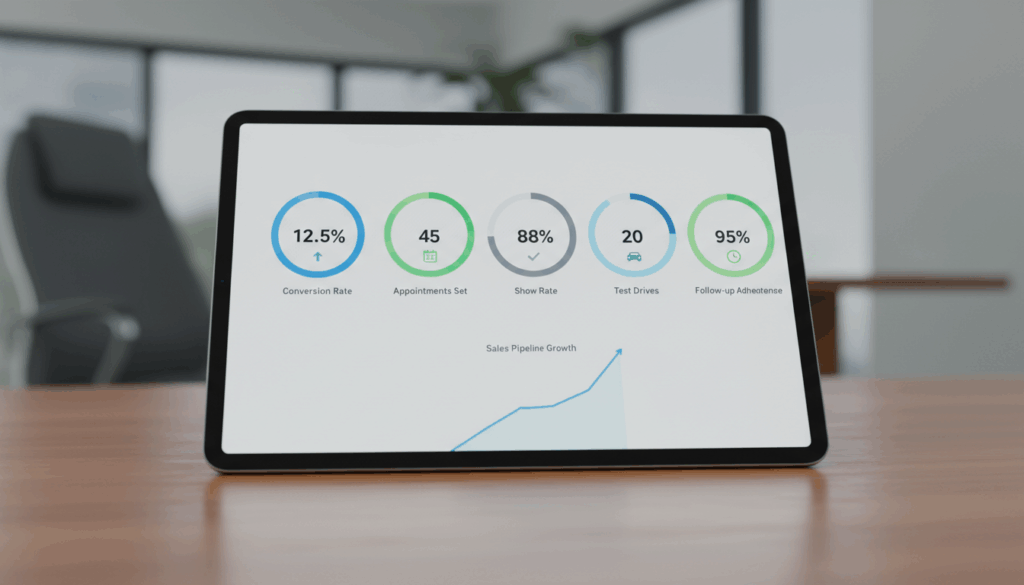
Coaching without accountability produces inconsistent results. BDC managers need a simple, visible accountability system that connects daily behaviors to outcomes. The key metrics to track at the individual level are contact rate, appointment set rate, show rate, and conversion rate. When a metric is off, the accountability conversation starts with behavior, not just the number.
How Proactive Builds BDC Management Capability
Proactive Training Solutions works with BDC managers directly, not just BDC reps. Our management training programs cover coaching technique, accountability system design, metric interpretation, and the leadership behaviors that build high-performance cultures. AdaptVT extends this by giving managers visibility into rep skill development progress between coaching sessions.
Frequently Asked Questions
How often should a BDC manager conduct formal coaching sessions with each rep?
Best practice is at least one formal coaching session per rep per week, supported by informal real-time feedback during the shift. Departments that coach less frequently than weekly see slower skill development and higher turnover.