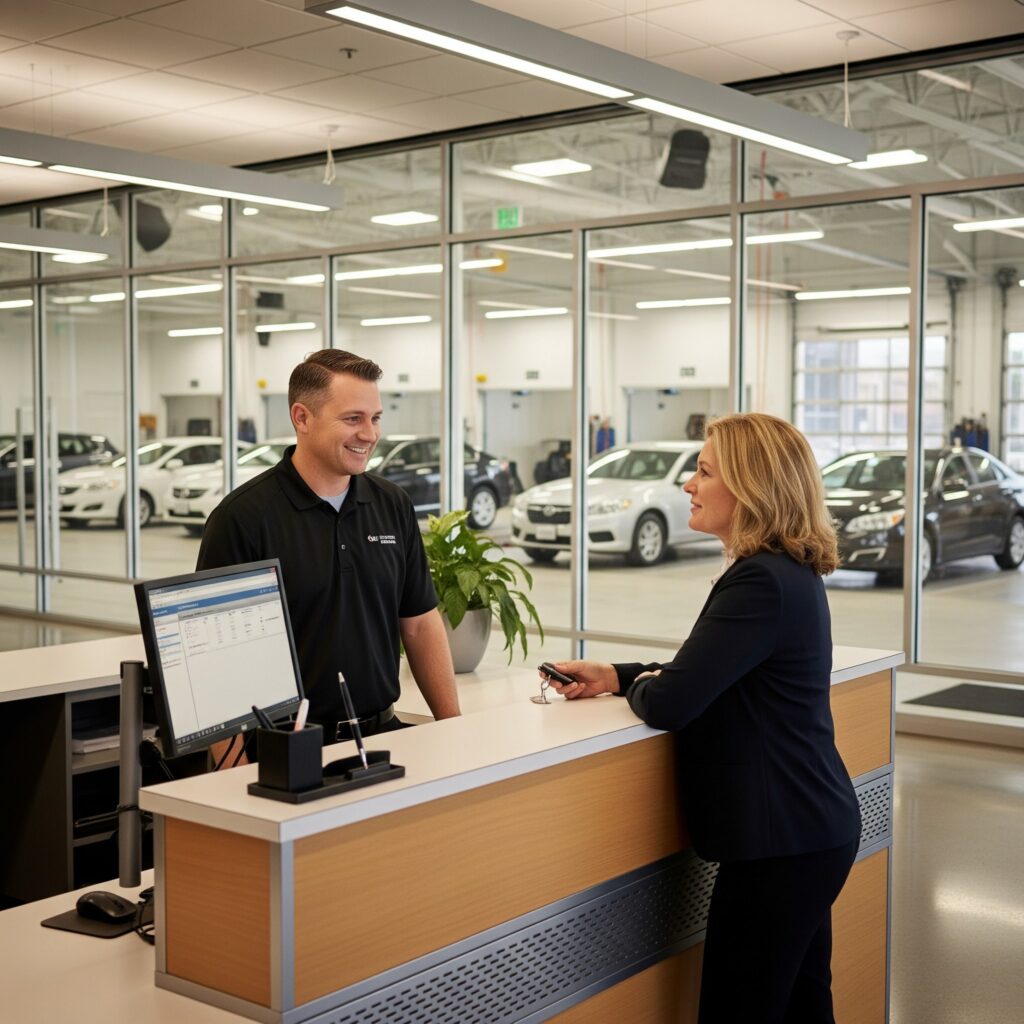
Service BDC training is the process of developing the phone and communication skills your service department uses to convert inbound service calls into appointments, retain customers after service visits, and proactively reach out to customers who are due for maintenance or whose vehicles need follow-up work. It’s a distinct skill set from sales BDC — the customer psychology, the objections, and the goals are different — and it’s just as trainable.
Why Service BDC Is One of the Most Overlooked Revenue Opportunities
Most dealerships invest heavily in training their sales BDC and leave service call-handling to whoever answers the phone in the service lane. The result is service calls that get put on hold too long, customers who call back three times to get a simple question answered, and appointment-setting that’s transactional rather than relationship-building.
Fixed operations represent 50-70% of dealership gross profit for most stores. The service department is the most frequent touchpoint most customers have with a dealership after the sale. If the phone experience in service is poor, customers defect to independent shops, bring their next vehicle purchase to a competitor, and stop referring their friends. That’s not a service problem — it’s an enterprise revenue problem.
What Service BDC Phone Training Covers
Inbound Service Appointment Calls
Service appointment calls have a clear goal: get the customer scheduled in a way that sets accurate expectations and creates confidence in the experience before they arrive. That means asking the right qualifying questions (what the vehicle needs, when it was last in, any warning lights), communicating realistic timeframes, and confirming the appointment with a professional close that matches the energy customers expect from a premium service experience.
Declined Service Follow-Up
Customers who decline recommended service at one visit are your most valuable outbound service calls. They’ve already seen the recommendation — your team has done the diagnostic work. A structured follow-up call 7-14 days later, with a specific reference to the declined item and a low-pressure offer to schedule, converts a meaningful percentage of declined work into service revenue with zero diagnostic cost.
Maintenance Reminder Outreach
Proactive outreach to customers who are due for oil changes, tire rotations, or scheduled maintenance is one of the highest-conversion outbound call campaigns in fixed ops. The customer expects to come back — they just need a reason to call you instead of the quick-lube around the corner. A trained service BDC rep makes that call feel like a personal reminder from someone who knows their vehicle, not an automated blast from a CRM system.
Customer Satisfaction Follow-Up
A brief follow-up call after every service visit — asking whether everything was taken care of and whether the customer has any questions — is one of the lowest-cost, highest-impact retention practices in fixed ops. It catches dissatisfied customers before they leave a negative review, creates an opportunity to schedule a return visit, and builds the kind of relationship that makes your dealership the customer’s default choice.
Service BDC Objection Handling
Service BDC reps face a specific set of objections that differ from the sales side. The most common:
“I can get it done cheaper somewhere else.” — Acknowledge and reframe on value, not price: “I understand — and that’s absolutely your call. One thing I’d mention is that our technicians are trained specifically on [make/model], and everything we do on your vehicle is on the record with your dealership history, which matters when you sell or trade it. That said, I’d love to match what we can to keep your business.”
“How long is it going to take?” — Give a specific range and commit to a communication standard: “For that service, we’re typically looking at [X] hours. I’ll make sure someone contacts you as soon as we know the actual timeline — you won’t be left waiting without an update.”
How Proactive Training Solutions Approaches Service BDC
Proactive Training Solutions offers service BDC training as part of our full dealership training programs. We apply the same core methodology — education, simulation, and accountability — to service phone skills that we use on the sales side. AdaptVT includes service BDC scenarios so advisors and service reps can practice the specific call types they handle daily.
Frequently Asked Questions
What is a service BDC at a car dealership?
A service BDC handles inbound and outbound phone communication for the dealership’s service department — scheduling appointments, following up on declined work, reaching out for maintenance reminders, and conducting post-visit satisfaction calls.
Is service BDC training different from sales BDC training?
Yes. The customer psychology, typical objections, and conversion goals are different. Service BDC training focuses on creating a professional service experience on the phone, managing customer expectations around time and cost, and building retention relationships rather than one-time transaction appointments.
What metrics should a service BDC track?
Appointment set rate on inbound calls, show rate for scheduled appointments, declined work follow-up conversion rate, and customer satisfaction scores (CSI) are the primary service BDC performance metrics. Together they give a complete picture of how well phone communication is driving fixed ops revenue.